دریافت راهنمایی :
۳۴۵۶۷
۰۲۱


مراقبت کامل از سلامت دیسکس و سایر ماهیان شما با بهترین داروها و مکملهای تأییدشده.
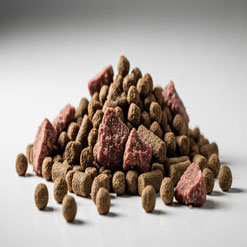
ترکیبی از ویتامینها و مواد مغذی برای رشد سالم، رنگ درخشان و انرژی بیشتر ماهیان شما.
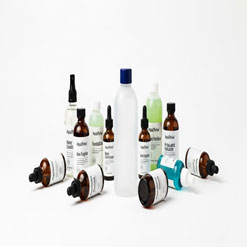
متعادلسازی آب، تقویت رشد گیاهان، حفظ سلامت ماهیان و افزایش کیفیت آکواریوم با محلولهای حرفهای مانند واتر سیف و کودهای مایع
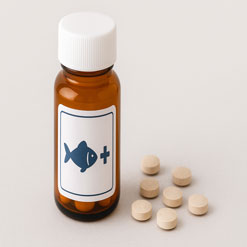
رنگدانه برای رنگ ماهی ها بسیار لازم مهم است.

لورم ایپسوم متن ساختگی با تولید سادگی نامفهوم از صنعت چاپ و با استفاده از طراحان گرافیک است.

لورم ایپسوم متن ساختگی با تولید سادگی نامفهوم از صنعت چاپ و با استفاده از طراحان گرافیک است.
In the cultivation and maintenance of aquarium fish, particularly sensitive and high-value species such as discus, ensuring health and preventing disease are crucial. One significant challenge for fish breeders is managing bacterial contamination and its detrimental consequences. Each aquaculture facility or farm has a unique ecosystem where various bacteria and microorganisms coexist symbiotically with the fish (Austin & Austin, 2012). However, when fish are transferred between environments, interactions between these bacteria can occur, potentially leading to sudden disease outbreaks and widespread mortality.
A particularly notable bacterium in this context is *Listeria*, which, due to its distinctive disease-causing properties, requires special attention (Roberts, 2012). This article explores the mechanisms of bacterial interactions in discus fish, the associated clinical symptoms, and strategies for prevention and management. Additionally, practical recommendations are provided for minimizing the risk of such interactions during the introduction of new fish into a tank.
One of the primary factors compromising fish health is stress and bacterial cross-contamination. Discus fish within each farm or facility host bacteria that are typically benign and symbiotic. However, *Listeria* is a noteworthy exception (Plumb & Hanson, 2011). Fish infected with *Listeria* often appear healthy and asymptomatic. Problems arise when these fish are introduced into a tank containing discus from other sources. This interaction can induce symptoms such as labored breathing, skin darkening, light sensitivity, mucus secretion, and other signs resembling those of plague within less than 24 hours, potentially leading to death within 48 hours (Nowak, 2007).
The critical difference between this phenomenon and plague is the mode of pathogen transmission. Plague is airborne, whereas bacterial cross-contamination occurs through direct contact between fish (FAO Fisheries and Aquaculture Department, 2010). Plague-infected fish provide a longer window for intervention, whereas fish exposed to bacterial cross-contamination may perish in under 48 hours if not treated promptly. Furthermore, plague-infected fish can remain carriers for up to 45 days, whereas fish harboring *Listeria* may remain carriers for up to 6 months (Muniesa et al., 2012).
To mitigate the risk of bacterial cross-contamination when introducing new fish into a tank, the following procedures are recommended:
1. Quarantine: Initially, new arrivals should be placed in a quarantine tank.
2. Use of Acriflavine: Employ acriflavine to reduce bacterial populations.
3. Water Change: After 48 hours, conduct a 100% water change in the quarantine tank.
4. Gradual Integration of Existing Fish: Introduce one existing fish to the quarantine tank. After 12 hours, introduce another existing fish. If no issues arise after 24 hours, transfer all fish to the main tank.
Bacterial cross-contamination poses a significant challenge in aquarium fish cultivation, with the potential for rapid and severe mortality. A thorough understanding of the mechanisms underlying this phenomenon and the implementation of preventive measures, such as quarantine protocols and appropriate treatments, can help avert these issues. Additionally, differentiating between bacterial cross-contamination and viral diseases like plague is crucial for selecting effective treatment strategies.
References
Austin, B., & Austin, D. A. (2012). *Bacterial fish pathogens: Disease in farmed and wild fish* (5th ed.). Springer.
FAO Fisheries and Aquaculture Department. (2010). *Aquaculture development. 5. Use of wild fish as feed in aquaculture.* FAO Technical Guidelines for Responsible Fisheries No. 5. Rome, FAO.
Muniesa, M., Hammerl, J. A., Hertwig, S., Appel, B., & Brüssow, H. (2012). Shiga toxin-producing *Escherichia coli* O104:H4: A new challenge for microbiology. *Applied and Environmental Microbiology, 78*(12), 4065-4073.
Nowak, B. F. (2007). *Parasitic diseases in marine cage culture – An example of the impacts of intensive aquaculture on fish health*. In *Environmental effects of marine finfish aquaculture* (pp. 179-198). Springer.
Plumb, J. A., & Hanson, L. A. (2011). *Health maintenance and principal microbial diseases of cultured fishes* (3rd ed.). Wiley-Blackwell.
Roberts, R. J. (2012). *Fish pathology* (4th ed.). Wiley-Blackwell.


