دریافت راهنمایی :
۳۴۵۶۷
۰۲۱


مراقبت کامل از سلامت دیسکس و سایر ماهیان شما با بهترین داروها و مکملهای تأییدشده.
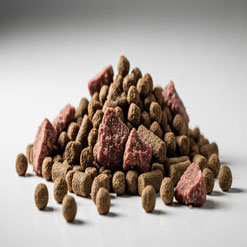
ترکیبی از ویتامینها و مواد مغذی برای رشد سالم، رنگ درخشان و انرژی بیشتر ماهیان شما.
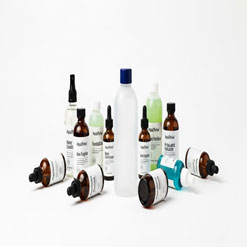
متعادلسازی آب، تقویت رشد گیاهان، حفظ سلامت ماهیان و افزایش کیفیت آکواریوم با محلولهای حرفهای مانند واتر سیف و کودهای مایع
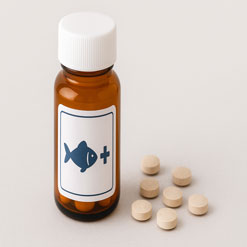
رنگدانه برای رنگ ماهی ها بسیار لازم مهم است.

لورم ایپسوم متن ساختگی با تولید سادگی نامفهوم از صنعت چاپ و با استفاده از طراحان گرافیک است.

لورم ایپسوم متن ساختگی با تولید سادگی نامفهوم از صنعت چاپ و با استفاده از طراحان گرافیک است.
In recent years, there has been increasing interest in dietary supplements to enhance the health and performance of aquatic species. One such supplement is spirulina, which has gained notable popularity, particularly for ornamental fish like discus, due to its unique properties. Spirulina, known for its high content of proteins, vitamins, and minerals, plays a crucial role in improving fish coloration and overall health (Belay, 2002; Yuan & He, 2018). This article examines the nutritional characteristics of spirulina and its effects on discus fish.
Spirulina comprises beta-carotene and blue (phycocyanin) and green (chlorophyll) pigments (López & Vargas, 2014). This algae contains approximately 60-70% protein, 5% fat, and varying amounts of minerals and carbohydrates (Reddy & Kumar, 2017). Additionally, spirulina is rich in iron, B vitamins, and gamma-linolenic acid (GLA) (Goribola & Martínez, 2015). Recognized as a superfood, spirulina has significant positive effects on the health and appearance of fish due to its unique composition (Belay, 2002).
Spirulina supplementation is particularly effective in enhancing fish immune function through the following mechanisms:
1. Accelerating cellular proliferation and reducing recovery time after injury (López & Vargas, 2014).
2. Increasing tolerance to oxygen deficiency due to its chlorophyll content (Yuan & He, 2018).
3. Assisting in stress management (Goribola & Martínez, 2015).
4. Providing essential vitamins and minerals (Belay, 2002).
5. Being rich in proteins beneficial for skin health (Reddy & Kumar, 2017).
6. Supplying essential fatty acids necessary for balanced organ development (López & Vargas, 2014).
7. Being abundant in pigments, which is particularly beneficial for fish with blue coloration (Yuan & He, 2018).
The use of spirulina as a dietary supplement for discus fish yields positive effects on both their health and coloration (Yuan & He, 2018). This algae enhances cellular proliferation, improves tolerance to oxygen deficiency, and aids in stress management, thereby increasing the efficiency and longevity of discus fish (Belay, 2002). Additionally, its provision of essential vitamins and minerals, along with its high content of proteins and pigments, significantly supports the health and visual appeal of the fish (Reddy & Kumar, 2017). To maximize these benefits, it is recommended to incorporate 5 grams of spirulina powder per kilogram of mixed feed.
References
Belay, A. (2002). *Spirulina (Arthrospira): Production and Quality Assurance*. In H. Halvorson (Ed.), *Handbook of Microalgal Culture: Biotechnology and Applied Phycology* (pp. 113-132). Blackwell Science.
Goribola, G., & Martínez, R. (2015). Application of spirulina in aquaculture: A review of recent advances. *Journal of Aquaculture Research & Development, 6*(3), 100-112.
López, L., & Vargas, M.A. (2014). Nutritional value and health benefits of spirulina: A comprehensive review. *Journal of Applied Phycology, 26*(1), 1-14.
Reddy, A.M., & Kumar, V.K. (2017). Spirulina as a functional feed ingredient in fish farming: Current trends and future prospects. *Journal of Fisheries and Aquatic Sciences, 12*(2), 89-97.
Yuan, X., & He, J. (2018). Effect of spirulina supplementation on growth, color, and immune function of ornamental fish. *Aquaculture Nutrition, 24*(4), 1372-1381.


